On a warm loss early morning, I saw a young adult called Rowan stand at eviction, arms folded up, chin set like granite. The bay mare on the other side cocked an ear, then left with a swish of her tail. Rowan took a look at me and claimed, half joking, half bristling, She despises me. We did not accumulate or resolve anything best then. Instead, Rowan entered the sand, breathed out as soon as, and examined the mare's rhythm. Ten peaceful minutes later, with slower feet and an open stance, Rowan elevated a hand. The mare turned. The two strolled side by side, both heads level. No magical revelation, just a basic moment of call. For Rowan, it was the initial truthful yes she had really felt in weeks.
That tiny yes is the heart of equine-assisted training. Not tricks, not prominence, not flattery. Equines fulfill individuals at the degree of visibility. When the horse approves you at that level, it comes to be less complicated to approve yourself.
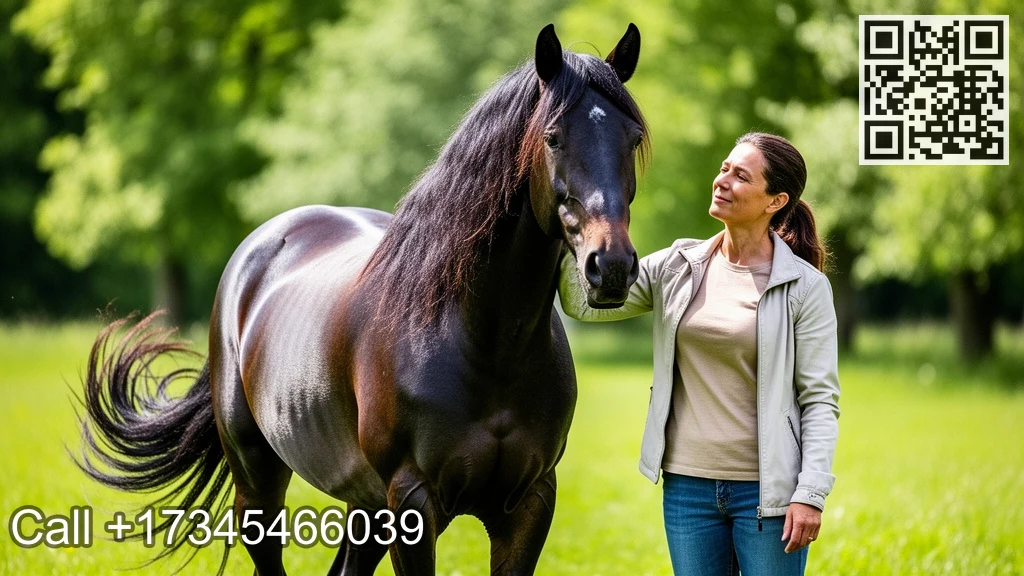
What horses educate long prior to you get a lead rope
Horses are victim pets, tuned to review https://remingtondssy382.capitaljays.com/posts/the-experiential-edge-learning-with-horses-for-real-life-change intention. They notice where your eyes land, how your breath rises, whether your feet satisfy the ground with impact or treatment. In a herd, security depends on harmony. A relaxed body with frantic eyes means risk. So does a bright smile pasted over a tight jaw. That is why equines can be ruthless, not in size or pressure, but in fidelity to what is true.
In the field, this plays out in immediate, symbolized responses. If you ask in a scattered means, the steed drifts. If you hold your breath and attempt to look positive, the horse thinks twice or pins an ear. When you settle your shoulders, soften your knees, and think your own border, the horse steps in, commonly with a sigh. For people whose self-confidence has been formed by blended messages, objection, or injury, this clear mirror is a relief. You do not require the perfect words or a remarkable history. You need consistency in between inside and outside. Horses reveal you when you have it, and when you do not, without judgment.
This is where equine-facilitated health varies from inspirational posters or quick-fix advice. It is not theoretical. The learning takes place in your nervous system, not just in your head. You really feel the shift, the yes, and your body remembers.
Coaching, treatment, and the spectrum of equine-assisted services
People typically ask just how equine-assisted training lines up with psychotherapy, therapeutic horsemanship, and various other equine-assisted activities. The short version: it resides in the training lane, which focuses on objectives, onward movement, and skills transfer, while making use of the steed's existence as a co-facilitator. It is not injury handling. It is not professional diagnosis or medical therapy. In lots of programs, a qualified coach companions with an equine specialist to design safe, on-the-ground workouts. Some centers additionally provide accredited psychological health and wellness solutions, or therapeutic riding for motor and equilibrium objectives. Those fall under the larger umbrella of equine-assisted services.
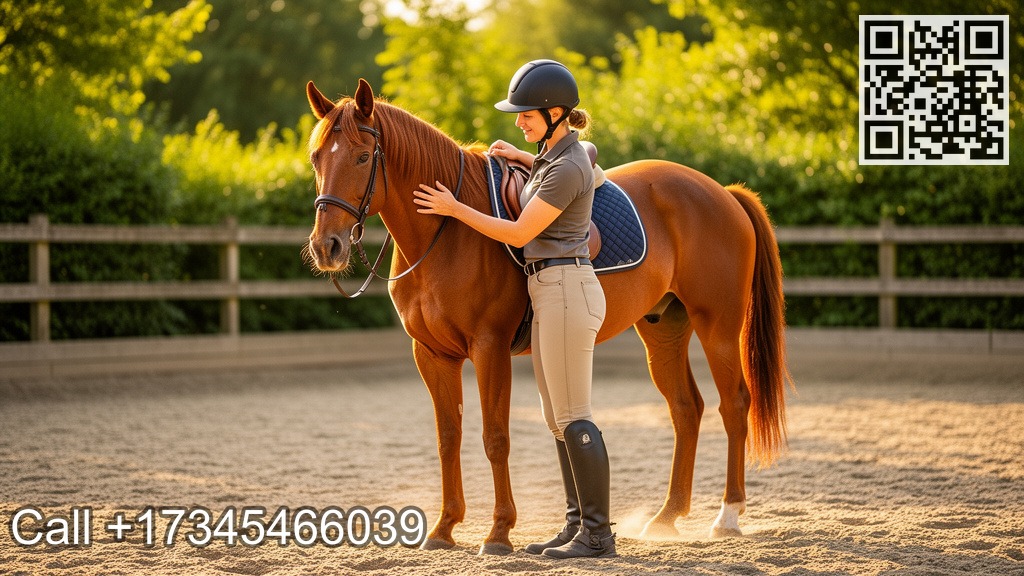
The distinctions issue because excellent limits build count on. A client recuperating from severe injury may function first with a specialist who uses equine-facilitated coaching skills within a medical container. A business group could book a solitary day of group building with horses to exercise interaction. A moms and dad could look for ADHD equine discovering assistance to assist a kid experiment with focus in a low-verbal, movement-rich setup. The equine exists throughout these offerings, however the purpose, training, and security methods differ.
Self-esteem is not a pep talk, it is pattern recognition
Confidence is frequently mounted as a perspective you can pick. In technique, it shows up as a pattern of successes your body trust funds. That is why equine-assisted mentoring aims for duplicated, practical victories. Can you come close to a gelding in a rounded pen with a clear strategy and readjust when he snaps an ear? Can you establish a boundary with an aggressive mare without surging into anger or shrinking into appeasement? Each time you act congruently and see the horse respond, you lay a brick in the structure of self-worth. Over 8 to twelve sessions, customers report even more convenience speaking up in meetings, smoother transitions at home, and much less fear in situations that utilized to feel overwhelming.
I keep a run-down notebook with easy measures. Clients rank their ability to request for aid, state no, tolerate silence, and manage responses. We score these on a 1 to 10 range at the start, mid-point, and end. We additionally jot down body markers, like just how rapidly someone's breath slows after a surprise, or whether their hands shiver when very first getting in the herd. These are not lab-grade steps, however they give structure. One customer moved her self-advocacy rating from 3 to 7 throughout nine weeks. The steed she favored went from crowding her room to matching her rate at a constant arm's size. She later told me she bargained her workload with her manager without a migraine for the first time in 2 years.
Inside a session: a silent choreography
Sessions commonly run 60 to 90 mins, and mostly all of the job is unmounted. We stay at the equine's level, because the objective is understanding, not horsemanship medals. An usual arc consists of a basing check-in, safety testimonial, a brief workout with a friendly steed, then a couple of jobs that call for a stretch. Completion includes reflection that connects arena discovering to daily life.
Here is a simple session flow that functions well for constructing self-worth:
Arrival and nerve system check: notification breath, posture, and what really feels braced or open. Safety instruction and consent: evaluate the steed's signals and settle on clear quit language. Meet and welcome: halter off, hang back, observe. Then technique with mentioned intention. Task: for example, leading free through a pattern that needs turns, stops, and restarts. Debrief: harvest a concrete takeaway and a tiny activity to test during the week.Even within this structure, no 2 days look the very same. A customer might begin with a plan to practice border setup, only to encounter grief when a gelding brushes her shoulder and advises her of a long-dead horse from childhood. We slow down, mark the feeling, and come back to the task without requiring. Another client may feel flattened by anxiousness at eviction, so we step outside the sector and do the work over the fence, sending and attracting with absolutely nothing more than stance and breath. I have yet to see a person learn much less because we reduced the distance or reduced the ask. The body discovers when it is ready.
The function of somatic awareness, and why equines help
Somatic healing with steeds is not about catharsis. It has to do with titration. The steed, with a 1,000-pound nerves, naturally manages around consistent stimuli. When you soften your jaw and let your eyes defocus, several steeds will certainly mirror that. Their lick and chew, their lowered head, can entrain your system into a steadier rhythm. This is not magic, it is co-regulation. The technique is to utilize it responsibly.
We begin with small somatic check-ins. Where do you feel strong? Where do you really feel hollow? Can you stand with soft knees and infuse your back ribs? Now, ask for a single advance from the steed. Then quit. Name what modifications inside you when the horse reacts. Several clients uncover that the moment of asking, not the activity itself, sends their heart price up. That hint ends up being a rich area to exercise. Gradually, the body finds out that asking does not equal risk. That change can transform exactly how typically you offer a point of view, request for quality, or establish a limit outside the arena.
Working with anxiousness, ADHD, and sensory profiles
Equine-assisted coaching often tends to attract individuals who believe and really feel extremely. For stress and anxiety support with steeds, we design jobs that stabilize unpredictability without flooding the system. A common action is to deal with a pattern that has clear sides, like a figure-eight of cones, and after that add a selection factor. Will you turn early or late? The horse checks out the minute you make a decision, which aids clients capture the 2nd they are reluctant or overcontrol. Breathing is not research, it becomes a tool linked to an outcome you can see. Breathe tight, and the horse wanders. Relax, and the steed steadies.
For customers seeking ADHD equine discovering assistance, the sector comes to be a kind teacher. Horses do not punish fidgets, yet they reply to clearness. We reduce guidelines, lock phones in the tack room, and established time boxes measured in laps as opposed to minutes. The task could be this: lead at a steady stroll for two laps, after that stop and scratch at the withers for three breaths. Then transform direction. That rotation of focus and rest fits numerous ADHD nervous systems. If interest wanders and the equine quits adhering to, responses is instant and non-shaming. We also invite movement throughout reflection. Pacing along the rail while talking commonly produces more understanding than sitting on a bench.
For people discovering an autism equine finding out program, the sensory world of the barn issues. Hay dirt, uneven ground, sunlight flashes off containers, all of it can flooding or calm. We plan gos to during quiet hours, dim barn lights when possible, and deal clear, visual sequences. Some clients favor deep stress from grooming or the rhythm of pressing a wheelbarrow. Verbal processing might be minimal. Consent ends up being an experiment the horse's body. May I clean your shoulder? The horse answers with a lean-in or a change away. That back-and-forth shows timing, limits, and mutual respect without social scripts that can really feel brittle or confusing.
Many family members show up requesting for a different treatment for sensory difficulties. Coaching is not treatment, and we say that aloud. Still, structured, experiential knowing with equines can be a strong adjunct. I have watched kids who struggle to endure jampacked classrooms discover convenience calling what they discover in a field, because absolutely nothing there requires eye get in touch with or fixed pose. I have viewed grownups that fear health clubs uncover strength by dragging a heavy mat throughout sand, laughing when an interested gelding includes resistance by stepping on the edge.
Stories from the rail: tiny victories that stick
A software project supervisor in her forties might not quit saying sorry. She stated sorry to the steed, to the wind, to the gate. We negotiated that she can say sorry as much as she suched as, however just after she made a certain ask. In week two, she faced a constant mare and stated, Please stroll with me at my shoulder. The mare complied with. She began to claim sorry and after that, hands on lead, giggled. She did not ask forgiveness once more for the remainder of the session. 3 weeks later, she ran a conference without claiming sorry as soon as. She placed the number on a sticky note to advise herself. Zero.
A senior high school wrestler with a hard exterior wanted to move quicker, always. The gelding he collaborated with had one rate: sluggish. During a pattern of cones, the wrestler maintained pressing and the horse kept stopping. We attempted a various tack. Match his rate first. After that see if he will certainly match yours. The client took a breath out, matched, and a minute later on the pair moved efficiently together. When asked what transformed, he claimed, I quit attempting to drag him where I wanted to be and began walking where we were. He carried that sentence into technique, after that into a conversation with his papa. That is transfer.
A small nonprofit came for group structure with horses after a rough year. They had actually shed a grant, tackled added workload, and misfired on interaction. In the sector, their job was to relocate three steeds from one end to the various other without halters or touching the pets. Voices rose, people split, and the equines stayed. We stopped. One staffer, more recent and quiet, provided to collaborate. The team agreed. She stood still at the center, established clear functions, and the equines flowed like water. Back at the office, they reorganized conference facilitation to share authority and constructed a simple run of show. Six weeks later on, the director emailed to state their check-ins were much shorter and kinder, and their program metrics were back in range.
How this job varies from riding lessons and why that matters
Therapeutic horsemanship, often called adaptive riding, focuses on riding abilities and might deal with physical balance, electric motor preparation, and self-confidence in the saddle. Lessons have structure and typically finish in independent riding. Equine-assisted mentoring, by comparison, maintains both feet on the ground. The skill is relational visibility, not uploading trot. There is overlap, obviously. Both require clear asks and mutual trust. However I have seen skilled cyclists miss out on the subtler hints that mentoring calls out, just as I have seen complete beginners discover deep steadiness within an initial session.
Mounted work can be component of a coaching plan in some programs, especially when rhythm and balance sustain a customer's goals. If we ride, it is normally bareback with a pad or at a walk in a basic arena to increase comments. If a person's identity is wrapped up in technological riding skill, we could miss tack totally to satisfy the deal with fresh ground.
Risks, limits, and what we do when points go sideways
Arenas are not laboratories. Horses have backgrounds and moods. Individuals do also. Occasionally, a tactical job unwinds. The gelding that is usually unflappable resents at a brand-new hat. A customer that hardly ever speaks ruptureds into tears when a mare breathes into her hand. Safety and approval lead the action. We reduce or quit. We swap steeds. We step outside the rail and work the plan from a range. If the material edges into professional region, we refer or co-treat with a mental wellness professional. That border protects the client and the horse.
Not every client prospers in this setting. Some choose verbal processing far from dirt and livestock. Some discover animal unpredictability excruciating. That is fine. Training needs to fit the individual, not vice versa. I make area for skepticism. The only individuals I carefully steer in other places are those that want fast results without method, or who get here bent on dominating an equine to prove something. The work requests for humbleness and wit. If you can not laugh at a steed ignoring you, the arena will be a difficult teacher.
Measuring modification you can feel and defend
Anecdotes issue, yet I also like concrete markers. We utilize short pre and post supplies on self-efficacy, communication comfort, and tension. We track session-by-session goals met and note physical cues like breath healing time after startle. For business teams, we gather 30- and 90-day feedback on meeting circulation, problem resolution time, and team turnover risk. The majority of groups show improvement on 2 or 3 of those metrics. Not every dataset is tidy. Weather cancels a session, a favored horse gets sore, or a customer's life throws a curveball. Still, over loads of friends, fads hold: more conforming communication, much better boundary quality, enhanced tolerance for uncertainty.
Choosing a program and establishing on your own up for a solid very first day
The field of equine-facilitated training has actually developed, yet high quality varies. Qualifications assist, though they are not the only pen of knowledge. A strong program will be clear, slow-moving to pledge, and fast to safeguard.
Consider these 5 factors when you look for a service provider:
- Training and scope: Ask about mentoring qualifications, equine handling experience, and just how they separate coaching from treatment or restorative riding. Safety and well-being: Seek safety helmets on website, clear emergency situation strategies, soft ground, and focus to horse wellbeing, consisting of rest days and herd life. Consent and pacing: Notice whether they request your consent, review your comfort degree, and adjust plans without dramatization when you or the horse state no. Transfer to life: Ask just how they link field experiences to concrete activities you can attempt at home or job between sessions. Fit and accessibility: Clear up price, session length, seasonal timetables, and accommodations for sensory choices or flexibility needs.
A good intake collections tone. We will certainly inquire about your goals, activates, allergic reactions, and previous equine experience. We will likewise speak about garments. Closed-toe shoes with walk, layers you can drop, and sunglasses if glare troubles you. Bring water. Leave your watch and phone in the tack area unless we are timing tasks for a reason. Expect the first session to really feel slower than your schedule likes. That is by design.
Cost, gain access to, and imaginative means to participate
Prices vary by area and credentials. Private mentoring sessions in my location run about 90 to 175 bucks for 60 to 90 minutes, with discount rates for packages. Group group building with horses for organizations can vary from 1,500 to 6,000 dollars daily relying on team size and assistance deepness. Some facilities supply moving range spots or scholarship funds under the more comprehensive banner of equine-assisted activities or equine-assisted solutions. Area universities and young people programs in some cases companion with barns for lower-cost experiential understanding with steeds. If cost is an obstacle, ask about observation days, volunteer changes that include training, or much shorter seasonal series. I have actually seen customers succeed with a six-week sprint in spring or fall, after that return for booster sessions after large life events.
What the steed asks of us
We yap regarding what steeds can do for individuals. The other fifty percent of the formula is what individuals owe the steed. Compassion, patience, and clear asks. Routine farrier care, excellent hay, time in a herd, and adequate area to move. Horses offer responses truthfully and without animosity. It is on us to maintain the job reasonable and to finish sessions prior to anyone, human or equine, is fried. I have reduced sessions short at 35 mins because the wind rattled the tin roofing system and both varieties were edgy. No growth worth having rest on squeezing the last decrease from a day like that.
A note on language and expectations
The area is thick with terms. Some programs state equine-assisted coaching. Others choose equine-facilitated coaching. Some plan the job as equine-facilitated wellness. What issues greater than the tag is the experience inside the rail and what adjustments after you leave it. If a program depends heavily on aura or firmly insists that the equine always recognizes your deepest truth, be careful. Equines review bodies. They do not check out minds. That, to me, is sufficient. The honesty of your breath is a huge thing to meet.
When an equine states indeed, and you do too
Back to Rowan, the teen at eviction. In week 4, we established a small challenge. Lead the bay mare at liberty with a triangle of poles, after that quit with both feet inside the shape and rest together. The first attempt abated. Rowan obtained distressed and the mare began munching at a cone. We stopped. What would certainly suffice? Rowan stated, If we make it via, also sloppy, and I can take a breath as soon as. They tried once more. Halfway via, the mare balked. Rowan softened her knees, taken a breath, and waited. The mare stepped in. As they quit, both decreased their heads nearly in sync. Rowan sought out, eyes intense, and said, That felt like me showing up.
That seemed like me. Not I conquered, not I performed. I turned up. If there is a cleaner definition of self-confidence, I have actually not found it. Steeds, constant in their own skins, welcome us right into that sensation. We do not have to earn it with success or win it with the sharpest words. We exercise it detailed, breath by breath, till eventually we find ourselves in the center of 3 posts, standing beside a close friend with a tail, and understand we belong there.
If you wonder, discover a barn that puts partnership initially. Ask concerns. Go gradually. Stand at the fence and look for a while. If an equine snaps an ear and turns toward you, consider it an invitation to satisfy yourself much more completely. The remainder we will identify together, one silent yes at a time.